Injection blow molding
For compact containers that need a controlled neck finish and a consistent molded body.
- PP
- LDPE
- HDPE
Custom manufacturing
Bring a drawing, sample or requirement. Our team reviews geometry, resin, tooling route, acceptance criteria and estimated volume before a mold program begins.
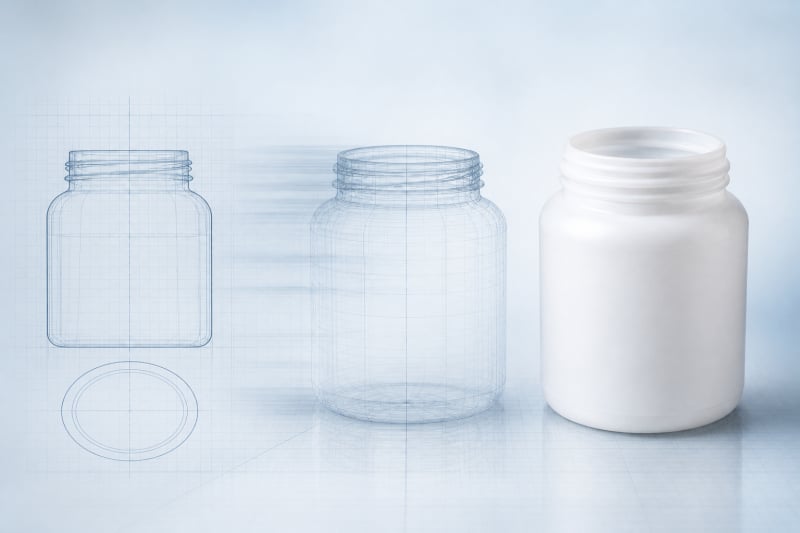
Custom manufacturing process
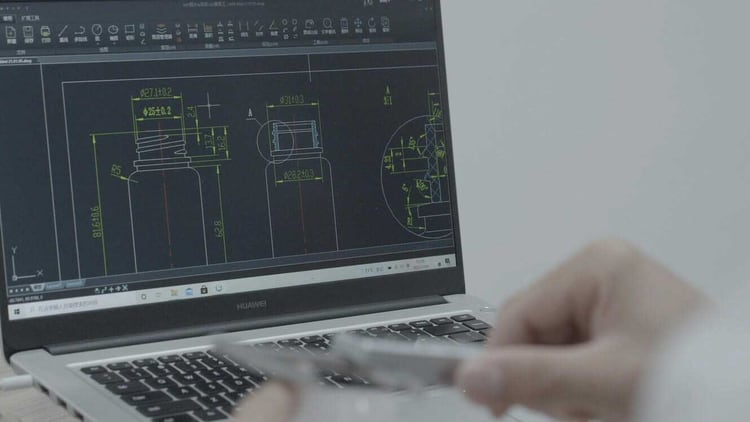
Share a drawing, sample, or idea, plus the size, material, quantity, use, and quality requirements.
We review the design with you, recommend a molding route, define the tooling scope, and provide molded samples for approval against agreed criteria.
Once samples and acceptance criteria are approved, production, inspection, traceability, and packing follow the agreed scope.
Real process footage
Process selection changes tooling, resin options, part geometry, and scale. Watch the three production methods available for custom programs.
For compact containers that need a controlled neck finish and a consistent molded body.
For clear, rigid containers where appearance, strength, and dimensional consistency matter.
For closures, caps, tubes, accessories, and engineered parts with defined features.
Verification
A useful acceptance plan connects each product risk to a measurable check. The final mix depends on the container, closure, material, and intended use.
Drawing + sample + test method
Together, these create a practical approval baseline for the production team.
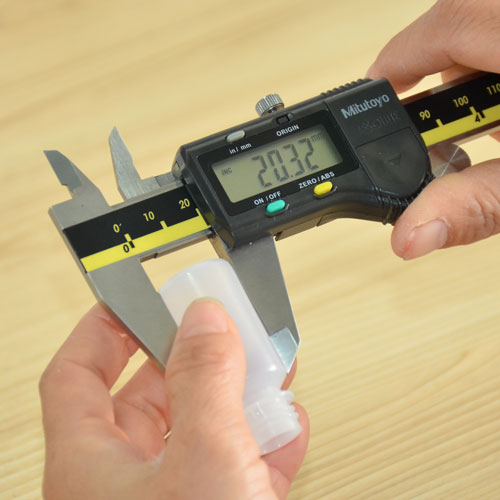
Check critical diameters, heights, and mating features against the approved drawing.
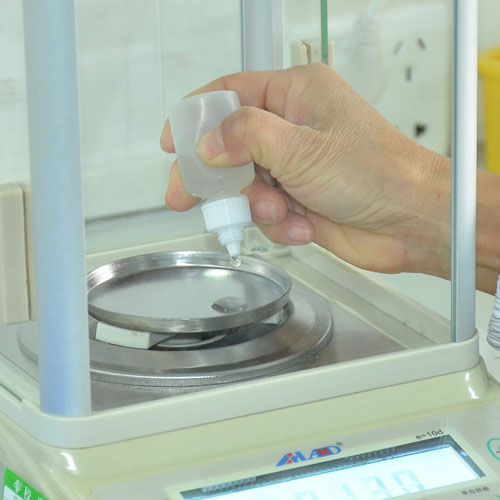
Assess delivered volume or drop behavior when controlled dispensing is part of the application.
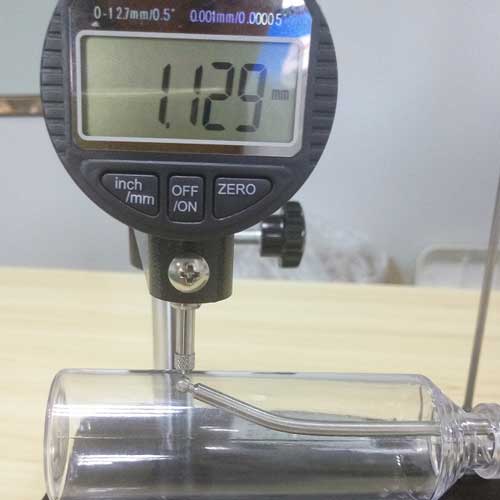
Measure molded wall sections to identify variation that can affect feel, strength, and performance.
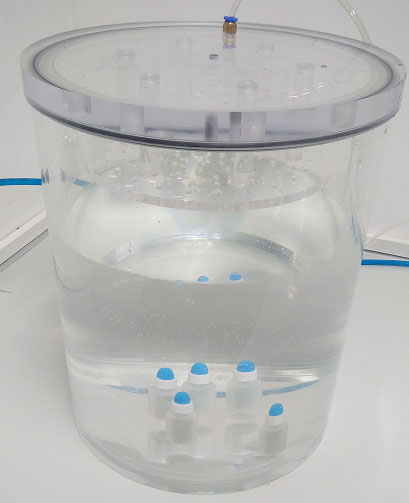
Evaluate the container-and-closure system under the agreed test method before release.
Before you inquire
Yes. A reference sample, sketch, dimensional brief, or existing CAD file can be the starting point. More complete input simply makes the first engineering review faster and more precise.
The decision depends on geometry, neck finish, material, clarity, performance, and expected production volume. These factors are reviewed together rather than choosing a process in isolation.
The product geometry, critical interfaces, material direction, tooling scope, and sample acceptance path should be aligned before the program advances.
Share the product use, target capacity, reference files or samples, preferred material if known, estimated annual volume, and the decisions you need help making.